Tips for Selecting the Ideal General Contractor for Your Next Home Project
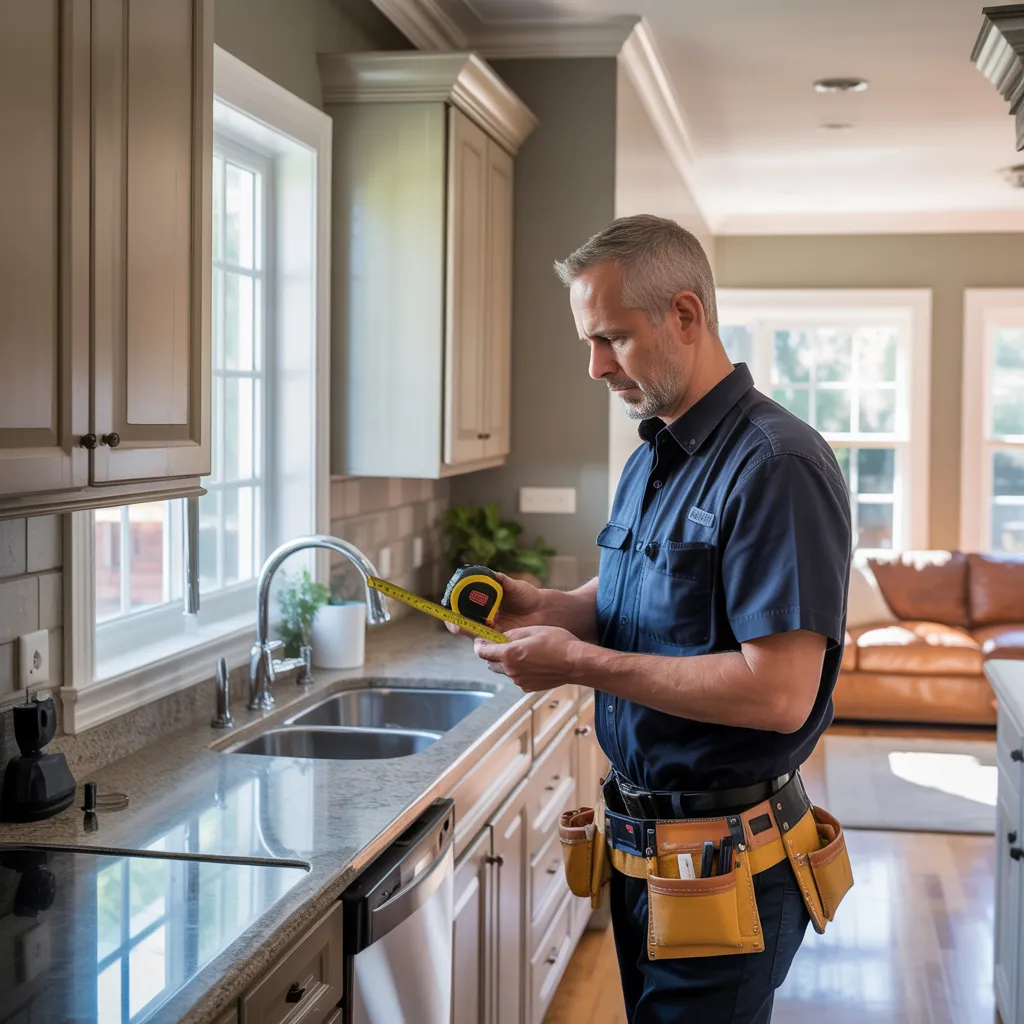
Finding the most suitable general contractor for your home project is a vital decision. It entails meticulous evaluation of multiple aspects, including work background, certifications, and dialogue capabilities. Many property owners neglect significant details, causing substantial mistakes. Grasping how to analyze prospective contractors can yield significant results. By prioritizing fundamental standards and asking pertinent questions, you can navigate this demanding process more proficiently. What are the key procedures to verify a productive relationship?
How to Avoid Typical Pitfalls When Selecting a Contractor
When hiring a contractor, how can one manage the numerous of alternatives without making usual errors? Prospective clients regularly miss important factors that can result in unsatisfactory outcomes. First, focusing only on cost can be confusing; the cheapest offer may signify inferior craftsmanship or unexpected fees. Additionally, neglecting to check references or online reviews can result in hiring a contractor with a poor track record. It is also necessary to avoid selecting only by personality; a likable contractor may not possess the necessary skills or reliability. Moreover, neglecting transparent dialogue and standards can result in conflicts and unhappiness. Finally, neglecting to carefully read agreements before signing can cause unforeseen responsibilities or insufficient safeguards. By being alert and aware, homeowners can make wiser selections, eventually ensuring a positive result.
What Counts When Choosing a Contractor's Experience
When reviewing a contractor experience, several key factors become relevant. Experience from similar projects, industry certifications, and an substantial range of completed work represent vital signs of their capabilities. Assessing these features can present meaningful perspective into the contractor suitability for the targeted project at hand.
Applicable Project Background
Knowing a contractor's relevant track record is vital for ensuring the achievement of any building endeavor. Interested parties clients should assess the contractor's portfolio, focusing on accomplished projects alike in breadth and appearance to their own. This entails assessing the quality of workmanship, compliance with to project timelines, and fiscal management in previous undertakings. Furthermore, it is beneficial to inquire about the assortment of materials used and the contractor's familiarity with local codes and regulations and regulations. Testimonials and references from past clients can provide insights into the contractor's faithfulness and communication skills. To sum up, a contractor with noteworthy relevant experience can surmount challenges adeptly, ensuring the project satisfies the homeowner's requirements and expectations.
Sector Qualifications And Authorizations
Licensing and certification serve as essential indicators of a contractor's professional competence and skill in the construction industry. When selecting a general contractor, it is crucial to confirm that they possess the necessary licenses required by local and state regulations. These licenses demonstrate adherence to building codes and safety standards. Additionally, industry certifications, such as those from the National Association of Home Builders or similar organizations, reflect a contractor's commitment to quality and ongoing education. Contractors with specialized certifications may also have expertise in specific areas, such as green building or remodeling. Ensuring that a contractor has the appropriate credentials not only improves confidence in their capabilities but also reduces potential legal and financial risks during the project.
Portfolio Of Done Work
A tradesperson's portfolio showcasing executed work stands as a critical tool for measuring their experience and abilities. This compilation should showcase a mix of projects, reflecting versatility in different styles and complexities. When analyzing a portfolio, potential clients should check for high-quality images that visibly depict the quality involved. It is also advantageous to see projects that fit the homeowner's particular requirements or aesthetic preferences. Attention to detail, ingenious strategies, and adherence to schedules are key markers of a contractor’s skill. Additionally, client reviews or case studies featured in the portfolio can offer more understanding of the contractor's work ethic and dependability. Ultimately, a strong portfolio can assist homeowners in making informed choices about their future projects.
Methods to confirm Your Contractor Credentials and Permits
Verifying a general contractor's qualifications and certifications is vital before engaging them to ensure they satisfy industry standards. Start by verifying with local licensing boards that the contractor holds the required permits applicable to your area and project type. Since each state has distinct requirements, familiarizing yourself with these can prevent future problems.
In addition, question about insurance coverage, such as liability and workers' compensation, to ensure defense against potential accidents or damages. Collect references from previous clients and follow up to gauge satisfaction and consistency.
At the end, examine any credentials the contractor may hold, as these often confirm technical expertise and alignment with industry best practices. A systematic verification process not only guarantees compliance but also strengthens confidence in the contractor's ability to complete the project successfully.
Why Consistent Communication Is Critical in Your Contractor Collaborative Relationship
Effective dialogue is essential in the contractor-client partnership, shaping the project's achievement from the outset. Clear dialogue establishes expectations, timelines, and budgets, guaranteeing both parties are in agreement on the project's goals. When clients express their vision effectively, contractors can provide informed recommendations and solutions, enhancing the overall outcome.
Ongoing communications and learn the details open lines of communication permit timely resolution of concerns as they develop, reducing potential delays. Additionally, a professional who listens to and responds to customer concerns strengthens confidence, which is essential for teamwork.
In addition, strong interaction assists with managing modifications and surprise obstacles, keeping the undertaking on course. It allows the construction professional to adapt approaches based on client direction, securing approval across all phases. In the end, emphasizing communication not only reinforces the builder-customer relationship but also substantially aids in the effective completion of the home undertaking.
Critical Topics to Discuss with Your Contractor during Initial Sessions
In initial meetings with a contractor, clients should emphasize understanding their expertise and qualifications. It's crucial to ask about the project timeline and budget to ensure alignment with the client's requirements. These questions establish a foundation for a productive partnership and smooth project management.
Professional Background and Credentials
Choosing a general contractor copyrights on grasping their experience and qualifications. Homeowners should request information on the contractor's length of service and the variety of assignments they have undertaken. Important questions about legal permits, official qualifications, and insurance are vital, as these confirm compliance with local regulations and offer safety throughout the work. Furthermore, looking over previous assignments through portfolios or testimonials can provide a perspective into the contractor's ability and trustworthiness. It is additionally advantageous to query about their knowledge with related tasks, as this can indicate their capability to face particular obstacles. Ultimately, judging a contractor's skills and background builds confidence and helps homeowners make informed decisions about their home projects.
Project Timeline and Budget
How can homeowners guarantee their undertaking stays on budget track and temporally when meeting with a general contractor? To preserve consistency, they should pose important questions during first consultations. Homeowners must ask regarding the projected schedule for completion of the work and any possible setbacks that could arise. Understanding the contractor's approach to managing schedules is crucial. Additionally, discussing the budget upfront is vital; homeowners should obtain clear information on cost estimates, payment schedules, and any built-in contingency funds for unforeseen expenses. Asking about previous projects can provide insight into the contractor's dependability in hitting timelines and staying within budget. By creating open dialogue regarding schedules and budgets, homeowners can foster a productive relationship with their contractor, enhancing the likelihood of a successful project.
What steps should one follow to ensure a general contractor is trustworthy? First, it is essential to ask for a list of referrals from potential contractors. A established contractor will willingly provide names and contact information of previous clients. One should call these references to inquire about their experiences, emphasizing aspects such as correspondence, quality of work, and punctuality.
Moreover, perusing online assessments on platforms like Google, Yelp, or Angie's List can furnish important understanding. It is necessary to analyze consistencies in the reviews—repeated positive or negative remarks can point to dependability or red flags.
Moreover, checking for any issues filed with local regulatory agencies or consumer protection organizations can expose a contractor's track record. Finally, requesting recent project photos can assist in assessing the standard of their services. By following this process, one can make a more educated decision when choosing a general contractor.
Understanding Contractor Rates and Financial Terms
Homeowners should also understand standard payment arrangements. Most contractors demand a initial deposit, followed by installment payments aligned with key completion points. It's important to discuss these terms before committing to an agreement to avoid misunderstandings. Additionally, homeowners should ask about possible extra expenses, such as regulatory fees or unexpected repairs. Transparent dialogue regarding fees and payment conditions will establish a straightforward business partnership, ultimately producing a successful completion. Learning these aspects gives homeowners the ability to decide wisely when hiring a general contractor.
Frequently Asked Questions
How considerable time will it take to complete the work?
Duration of projects often vary with complexity levels and project scope. Generally speaking, you should expect weeks through multiple months for completion. Climate, material sourcing, and available workers can significantly influence the final timeline.
What Transpires if Surprise Problems Emerge During Building?
If unforeseen complications arise during building, the builder usually assesses the situation, communicates with the homeowner, and suggests solutions. Modifications to the timeline and budget may be necessary, guaranteeing openness throughout the project.
Will My Project Demand Permits or Inspections?
Most undertakings require permits along with inspections to ensure adherence with local building codes. It is essential to work with a general contractor who comprehends these requirements, as they can navigate the permitting process efficiently.
What Is Your Method to Managing Subcontractors and Their Payments?
A reputable general contractor manages sub-contractors by establishing clear contracts outlining compensation schedules. They ensure prompt payment, maintain open communication, and monitor sub-contractor productivity, promoting a cooperative setting that aids in project success and productivity.
What Is Your Policy on Project Changes or Upgrades?
A flexible approach to project changes is upheld by the contractor, requiring written documentation for any upgrades. They promise clear communication, examine cost implications, and adjust timelines as needed to accommodate the customer's shifting demands and preferences.